Leak repair
Cracked pipe boots, lifted shingles, and flashing failures around chimneys and vents — found and sealed before the next rain turns a small leak into a ceiling stain.
A leak or a shredded roof after a Gulf storm isn't a normal home-repair job here — it's often an insurance claim tied to windstorm coverage. Tell us what happened and we'll connect you with a local roofer who works this coastline every day.
Tell us what's going on with your roof and a local pro will call you.
Cracked pipe boots, lifted shingles, and flashing failures around chimneys and vents — found and sealed before the next rain turns a small leak into a ceiling stain.
Wind-torn shingles, granule loss, and hail bruising after a Gulf storm, documented and repaired the way insurance adjusters expect to see it.
Full tear-off and re-roof with a fastening schedule and underlayment built for coastal wind, not a standard inland install.
TDI/TWIA windstorm inspections and WPI-8 paperwork for new roofs, re-roofs, and homes that need to stay insurable near the coast.
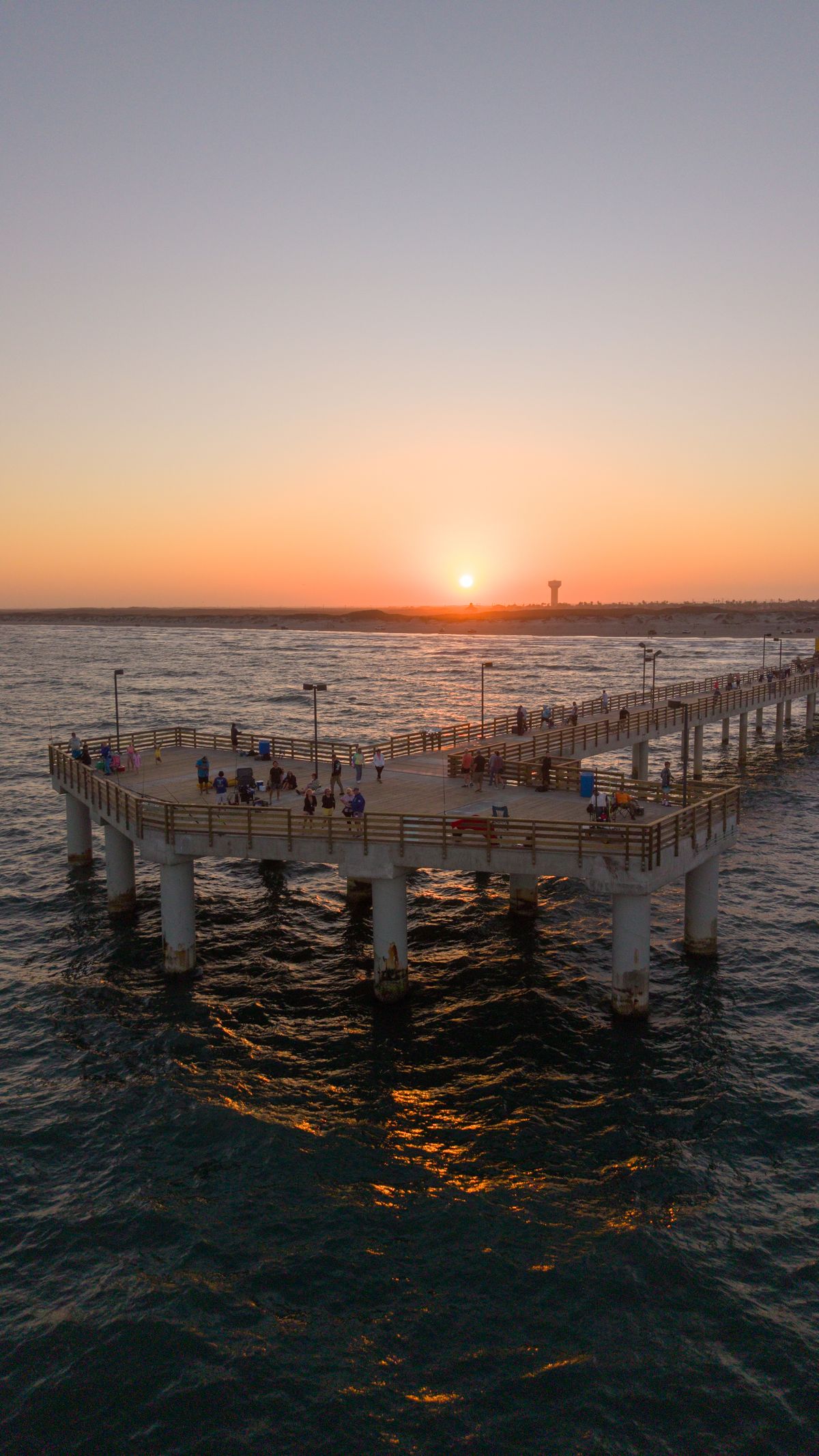
Corpus Christi sits right on the Gulf, which means roofs here deal with three things most of Texas doesn't: sustained high wind, salt-laden air, and direct hurricane exposure. Hurricane Harvey made landfall just up the coast at Rockport in 2017, and Hurricane Hanna crossed the Coastal Bend in 2020 — this isn't a once-a-decade abstraction, it's the reason local roofers fasten differently than crews inland. A roof built to the minimum code for Dallas is not the same roof you want in Flour Bluff or on Padre Island.
Salt air and UV are the slower damage. Airborne salt corrodes exposed metal — flashing, drip edge, vent stacks, and fasteners — years ahead of an inland roof, and constant sun plus Gulf humidity dries out shingle asphalt and cracks sealant faster than the manufacturer's rated lifespan assumes. A roof that looks fine from the ground can have flashing that's already failing underneath. That's why a sealed roof deck (taped seams under the shingles, not just felt) and corrosion-resistant fasteners are worth asking for here, even though they cost more than the bare-minimum install.
The other local reality is wind uplift. Coastal fastening schedules — more nails per shingle, placed correctly, sometimes with additional adhesive at the eaves and rakes — are what keeps a roof on the house at 70+ mph gusts instead of peeling off in strips. If a contractor quotes a re-roof without mentioning fastening pattern or deck attachment, that's worth a second question.
Nueces County is inside the Texas Windstorm Insurance Association's (TWIA) coastal catastrophe area, and a large share of Corpus Christi homes carry windstorm coverage either through TWIA directly or a private carrier that requires the same compliance. For roofing, that means new roofs and re-roofs in the designated area generally need to pass a windstorm building code inspection and get a Certificate of Compliance — commonly called a WPI-8 — before the roof is considered compliant for windstorm coverage. The inspection and certificate process runs through the Texas Department of Insurance (TDI), typically coordinated by a TDI-appointed inspector or engineer.
In plain terms: if you skip this step, you can end up with a new roof that isn't actually eligible for windstorm coverage, which becomes a real problem the next time a storm rolls through or you try to sell the house. A roofer who works this coastline regularly should already know what a WPI-8 is, know the fastening and deck requirements that get a roof through inspection, and be able to walk you through the paperwork — not treat it as a surprise. If a contractor can't explain this, that's a sign they mostly work jobs away from the coast.
Texas doesn't license roofing contractors at the state level — anyone can put a magnetic sign on a truck and call themselves a roofer, so the vetting is on you. Before hiring, confirm the company carries general liability insurance, has a real local address (not just a P.O. box that showed up after the last storm), and can show manufacturer certifications or membership with an industry group like RCAT (Roofing Contractors Association of Texas). After a named storm, out-of-town "storm chaser" crews show up canvassing neighborhoods door to door — some do fine work, but plenty disappear mid-job or after collecting a deposit, leaving no local presence when a callback is needed.
One more thing worth knowing: since 2019, Texas law (Insurance Code §707.002) makes it illegal for a roofing contractor to pay, waive, or absorb your insurance deductible as a way to win the job. If a salesperson tells you "we'll cover your deductible," that's a legal red flag, not a deal.
Typical Coastal Bend pricing: minor leak repairs (flashing resealed, a section of shingles replaced) usually run $300–$900. Storm damage repair covered by insurance depends on the claim, but out-of-pocket comparable work often lands $500–$2,500 for moderate wind or hail damage. A full asphalt shingle roof replacement on an average Corpus Christi home typically runs $9,000–$18,000, with coastal-rated materials, a sealed deck, and windstorm-compliant fastening pushing toward the higher end — that premium is what gets the roof through WPI-8 inspection and keeps it insurable. Windstorm inspections themselves are typically a few hundred dollars, separate from the roofing work.
The City of Corpus Christi requires a permit for roofing work — re-roofs and new installations need one through Development Services, though minor patch repairs generally don't. A legitimate local contractor pulls the permit as part of the job; be cautious of anyone who suggests skipping it to save time.
Contractors in our network cover Corpus Christi and the surrounding Coastal Bend, including Flour Bluff, Padre Island, Calallen, Portland, Rockport-Fulton, Aransas Pass, Ingleside, and Robstown. If you're just outside these areas, call anyway — most local roofers run routes well beyond the city line, especially after a storm.
If your home is in Nueces County's windstorm catastrophe area and carries TWIA or comparable windstorm coverage, generally yes — the roof needs to pass a TDI windstorm inspection and get a Certificate of Compliance (WPI-8) to remain eligible for that coverage. A local roofer who works the coast regularly can confirm your specific situation and handle the paperwork.
It depends on the cause and your policy — wind and hail damage is typically covered under standard homeowners or TWIA windstorm policies, while gradual wear from age or lack of maintenance usually isn't. A roofer can document the damage for your adjuster, but only your insurance company makes the coverage determination.
No — Texas law (Insurance Code §707.002) makes it illegal for a contractor to pay, waive, or absorb your insurance deductible to win the job. Any contractor offering this is breaking the law, and it's a warning sign about how they'll handle the rest of the job.
For an active leak, most contractors in our network can get someone out within a day or two outside of storm-recovery periods, when everyone in the region is booked solid. Getting the request in early — before the next rain — matters more here than almost anywhere.
Nothing. We're free for homeowners. We connect your request with local roofing contractors; the contractor may pay us a referral fee, which never changes your price.
Texas has no state roofing license, which means the burden of vetting a contractor falls on the homeowner. Before hiring, ask for proof of general liability insurance, a physical local business address, and any manufacturer certifications (GAF, Owens Corning, etc.) or membership in an industry group like the Roofing Contractors Association of Texas (RCAT). You can also check a company's standing and complaint history with the Better Business Bureau. Every contractor in our network operates locally with insurance in place — and we still encourage you to check for yourself. It's your roof.